
African governments' policies and regulations All in one place.
Explore 6519 policies from dozens of sectors and countries

Search
Search for policies, regulations, and investment guides in our vault of over 6000policies across sectors

Request
Request for unavailable documents across sectors and countries. Our team is committed to a fast turnaround with professional delivery.

Track
Track specific policies for updates using our premium service. Our team provides strategic advice on policy engagements.
Enjoy unlimited access to the government policies and guidelines that defineAfrica's socio-economic landscape

We empower thought leaders and key decision makers to do their best work


We Verify
Our policy team verifies the authenticity of documents and standardizes them according to our guidelines.

We Engage
Our team engages with government ministries and agencies to strike up partnership agreements.

We Compile
Our in-country field staff research and, compile policies across sector.

We Analzye
Our policy team provides summary and in-depth analyses of the policies.
Get informed on policy changes across various sectors in Africa



See what’s new

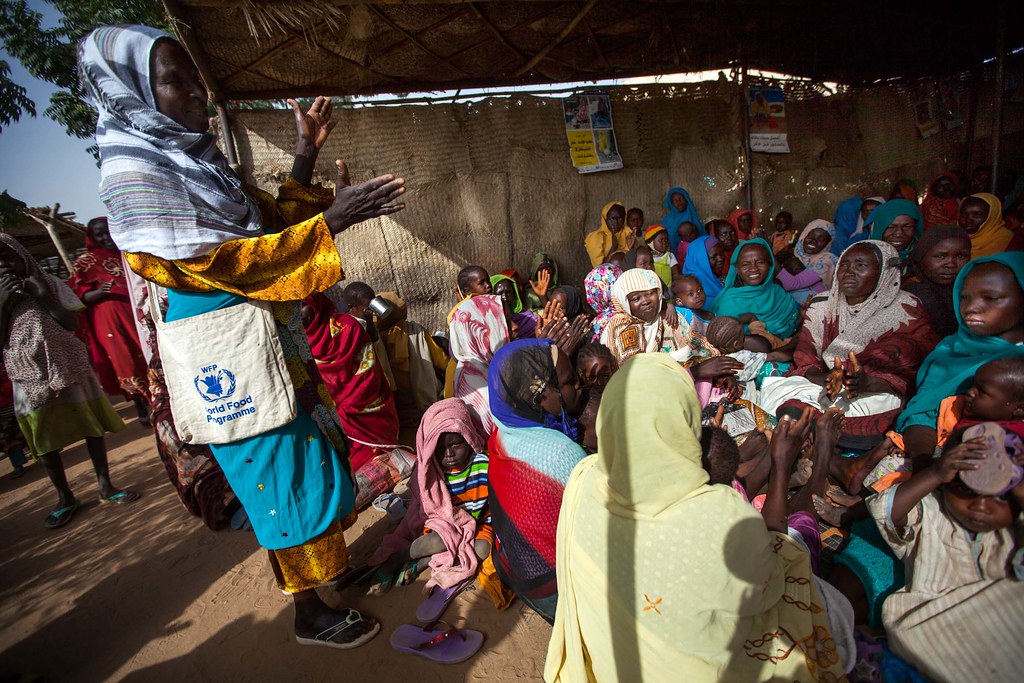
A New Approach to Addressing Nigeria’s Malnutrition Challenge
Due to the multidisciplinary nature of nutrition, combating malnutrition in all its forms at both national and subnational levels requires a holistic approach that is multisectoral. Multisectoral collaboration for food and nutrition can pull together all stakeholders in relevant issue areas to ensure a better understanding of the situation, come up with solutions, and take broader actions against malnutrition in the country. That is the rationale behind the adoption of the National Multisectoral Plan of Action for Food and Nutrition (NMPFAN) analyzed in this article.
Read more
Nigeria’s 2023 Elections: policy options to address voter apathy
Historical data indicate low citizen participation in voting since Nigeria’s return to democratic governance in 1999. The data reveal that while Nigerians consistently participate in voter registration, they are less enthusiastic about casting their votes on election day. In 2019, for example, the country recorded the lowest voter turnout in Africa, despite the increase in registered voters. Voter apathy is even more evident in the National Assembly representative elections; more Nigerians participate in presidential and gubernatorial elections than in the National Assembly and the local government elections. As the country prepares for the general elections next year, actions need to be taken by stakeholders to improve and ensure active citizen participation in the electoral processes.
Read more